
What the Best Dealers and the Best Teams Have in Common
What the Best Dealers and the Best Teams Have in Common
March 2026
By Paul Smith, Industry Veteran & Virtual Chief Marketing Officer
Like a lot of people, I spent Super Bowl LX watching the Seahawks finish the job.
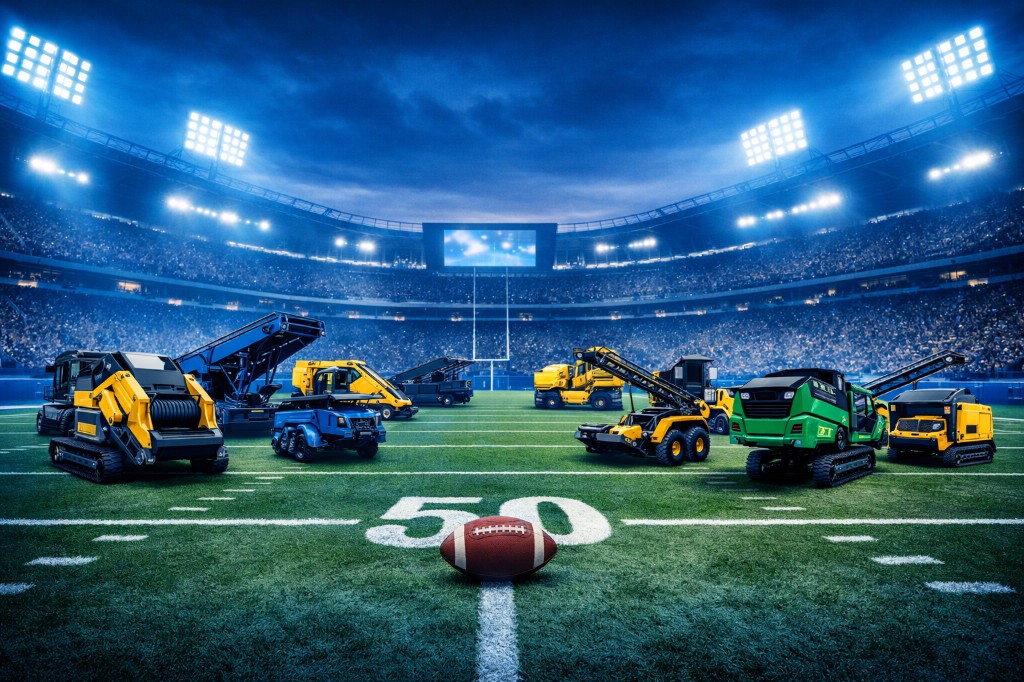
One thing that stood out beyond the obvious talent was their depth. They didn't win just because of their talented starters, they won because they could rotate, adjust, and absorb pressure without everything breaking down. The best teams don't rely on their first string. They build bench strength long before they need it.
That same idea shows up in this industry more often than we like to admit. OEM strategies shift all the time through acquisitions, tariffs, leadership changes, or broader market dynamics. Most of the time, there are early indicators, but far too often dealers don't act on them…they wait for clearer signals, more certainty, or until the relationship becomes fully strained.
That hesitation is understandable. Any change affects existing partnerships, internal focus, and customer expectations. But there's the catch: By the time the need is obvious, the ability to respond quickly is usually gone.
In my experience, the dealers who consistently outperform approach this differently. They don't make reactive moves, but they also don't stay fully exposed…they build optionality into their business ahead of time. That might look like adding a complementary product line to bolster the existing offering, testing a new supplier in a limited territory, or simply building relationships early, without urgency. They don't do this because something is wrong today, but because they understand how long it takes to adapt when something does change.
One of the more overlooked realities in heavy equipment is that you can't build bench strength overnight. Calibrating inventory, service capability, sales confidence, and customer awareness all takes time. This makes the decision to "wait and see" more consequential than it appears.
None of this is new, but it's easy to disregard when things feel stable. Whether in sports or business, the best operators don't avoid risk entirely, they just make sure they're not forced to react to it.
About the author: Paul Smith has spent 35 years in the construction machinery equipment industry and has personally opened international channels in multiple countries during periods of trade disruption.
Learn how we help dealers build long-term channel resilience.